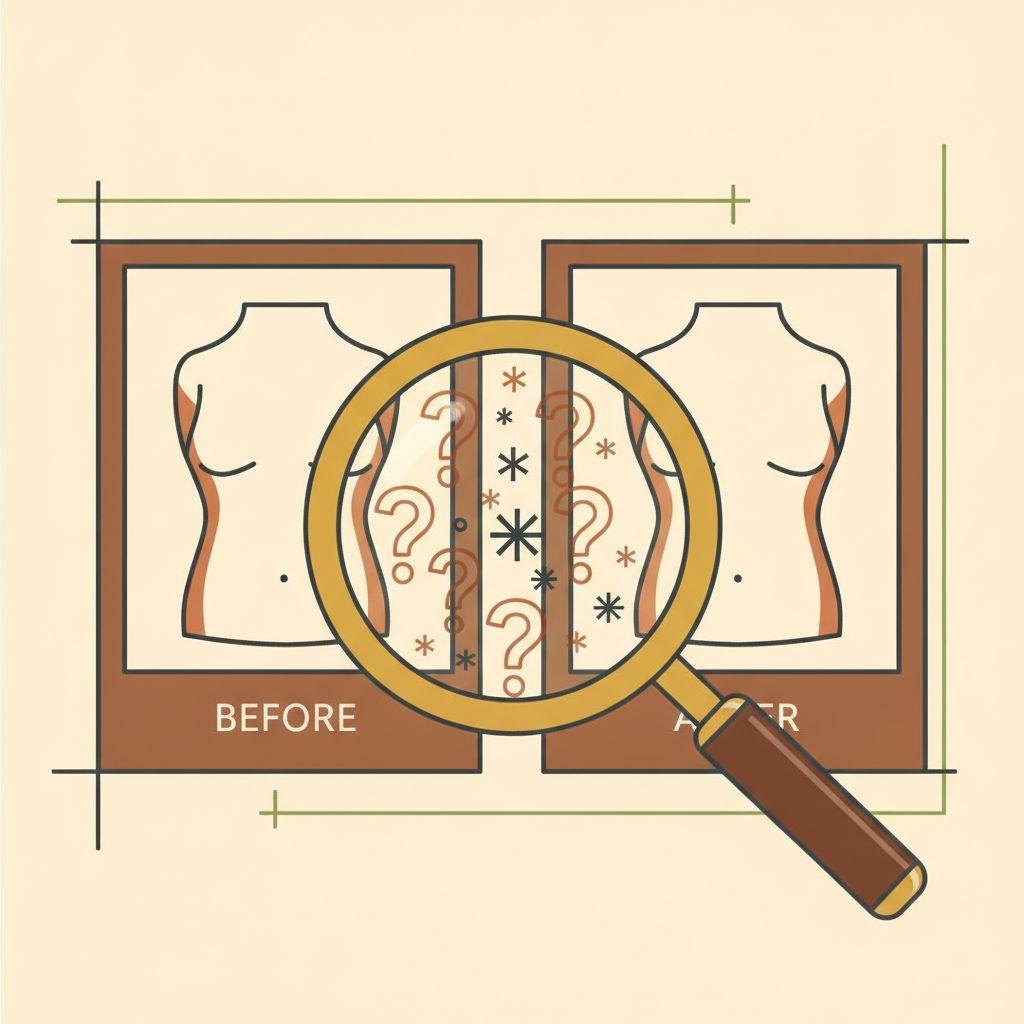
A before/after photo shows a moment, not a process
A compelling before/after pair — a dark, gappy attic transformed into a clean, fully covered cavity — is genuinely persuasive marketing, and often depicts real work. The limitation isn't that these photos are fake; it's that a single before/after pair can't show you the things that actually determine whether that job performs well over time: the mixing ratio used, whether ignition/thermal barrier code requirements were met, how the crew prepped the space, or what the installation looked like a year later, not just on the day the crew packed up.
This connects directly to the installation-standards content on our sister curriculum site: RESNET's Grade I/II/III system exists specifically because a photo taken immediately after installation can look excellent even on a job that will underperform, if gaps or compression aren't visible from the angle photographed.
Quick checklist: reading before/after photos critically
- Recognize a photo shows a moment, not the mixing ratio or long-term performance
- Remember portfolios show best-case work, not a random or average sample
- Watch for lighting/angle choices that exaggerate contrast beyond real improvement
- Use photos as one positive signal, not a substitute for credential verification
- Ask directly about installation-quality verification methods (infrared, blower-door)
Staging, angle selection, and the survivorship problem
Marketing photography is, reasonably, selected to show the company's best work — nobody leads their portfolio with their worst job. This is normal for any service business, but it means a portfolio of before/after photos tells you about the company's best-case output, not their typical or average result. It's a version of survivorship bias: you're only seeing the jobs that photographed well, not a random sample of everything the crew has done.
Lighting, angle, and staging choices can also make an ordinary result look more dramatic than it is — a wide-angle 'before' shot in dim lighting next to a bright, well-lit 'after' shot exaggerates the visual contrast beyond what the actual thermal-performance improvement would show.
Once you've done the research, we can help with the next step
Free, no-obligation matching with contractors verified for license and insurance.
Find a Vetted InstallerHow to use before/after photos as one input, not the whole picture
Before/after photos are genuinely useful for one specific thing: confirming a contractor has done real, visible work of the type you're considering. They're not a substitute for verifying license and insurance, checking certifications, reading a detailed written quote, or asking directly about installation-quality verification (infrared imaging, blower-door testing) — the concrete steps covered across our sister sites' vetting content. Treat a strong photo portfolio as a reasonable positive signal, not proof of underlying installation quality.
Why the timeframe between photos matters
A true assessment of insulation performance takes time — months of a real heating or cooling season, not the day the crew finishes. An 'after' photo taken immediately on completion can't show you whether the installation held up, whether any settling or gapping developed, or whether the promised energy savings materialized. Ask a contractor directly whether they have any documentation from a later follow-up visit or inspection, not just day-of photography, if long-term performance is part of what you're trying to evaluate.
Frequently Asked Questions
Most are real photos of real work, just selected to show the company's best results — the issue is what a single photo can't show (mixing quality, code compliance, long-term performance), not that the photos themselves are typically fabricated.
Our sister site sprayfoamvideo.com aggregates real embedded before/after video content from across the industry. This guide teaches you how to evaluate that kind of content critically — what it can and can't tell you — rather than aggregating the content itself.
Ask how installation quality was verified beyond the visual result — infrared imaging, blower-door testing, or a documented inspection — and confirm their license and insurance separately from the photo portfolio.